IPB University Palm-Based Bulletproof Armor Meets Ballistic Standards in TNI AD Certification
IPB University Palm-Based Bulletproof Armor Meets Ballistic Standards in TNI AD Certification
 adminRFA
IPB University Palm-Based Composite Armor Meets Ballistic Standards in TNI AD Certification
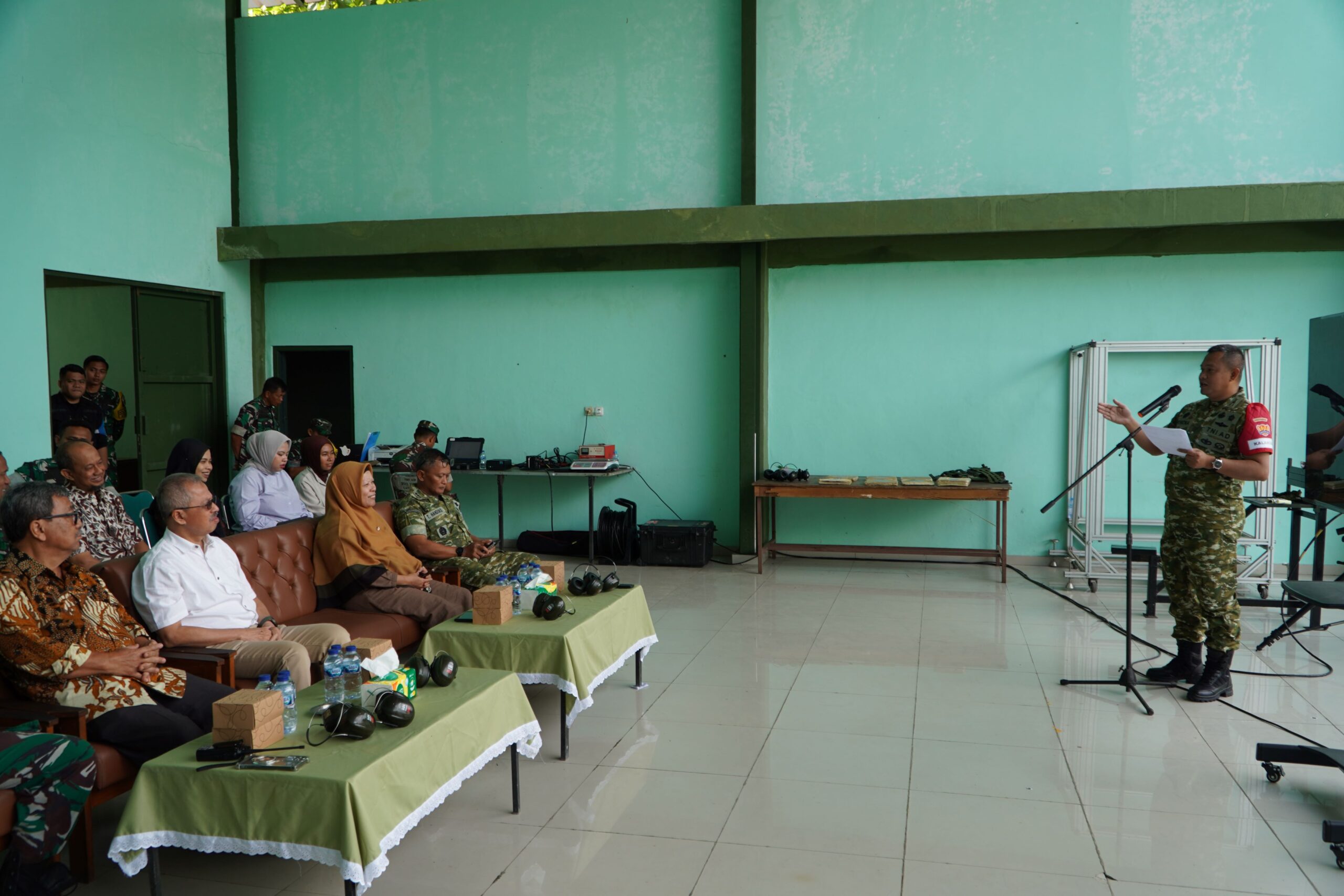
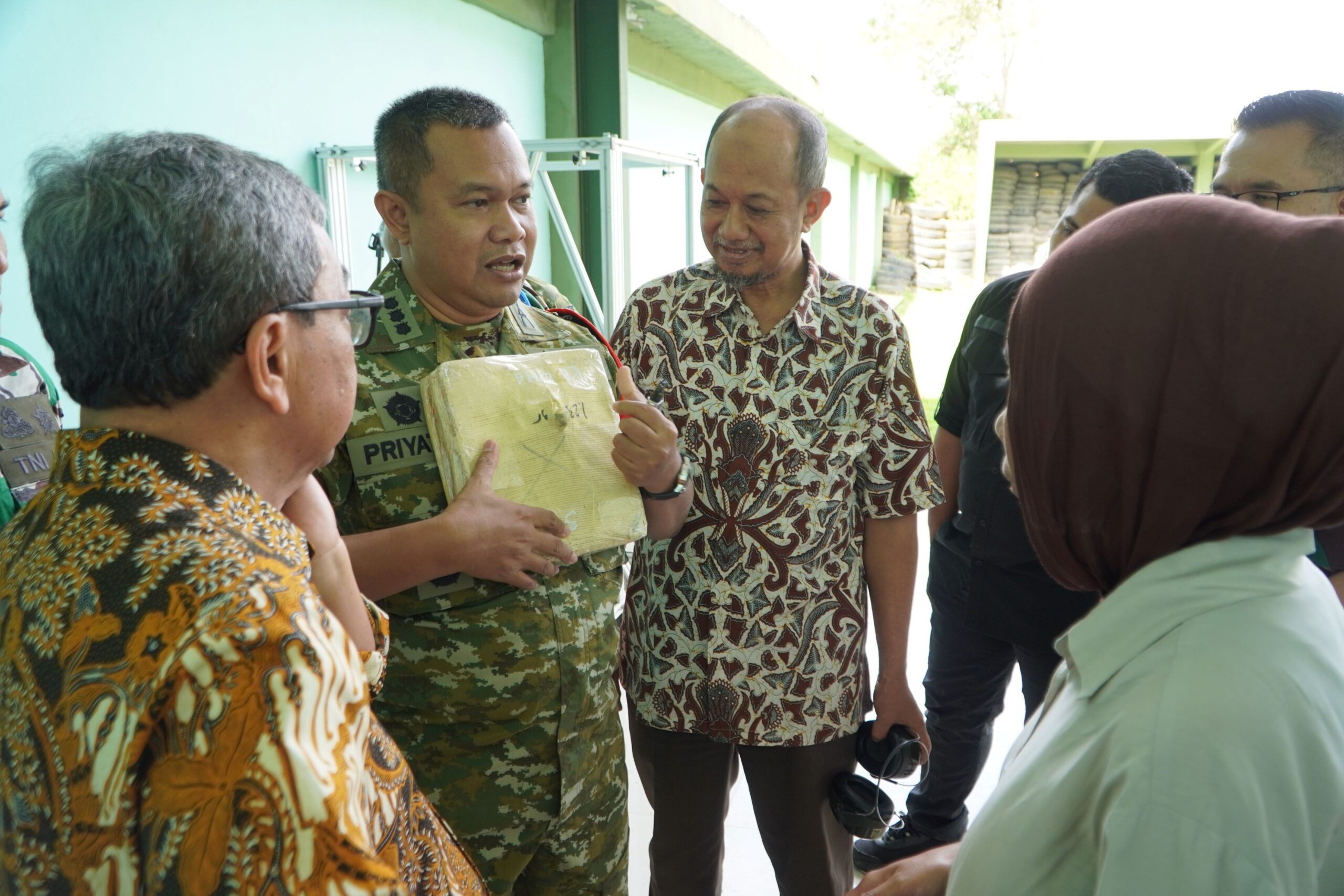
BANDUNG – A research collective from IPB University has completed the formal certification process for a composite bulletproof vest utilizing Oil Palm Empty Fruit Bunch (EFB) fibers. The certification was conducted by the Indonesian Army Research and Development Center (Dislitbang TNI AD) in Batujajar, Bandung, on Friday, December 19. This technical evaluation marks the culmination of a targeted ballistic material development project initiated in 2023.
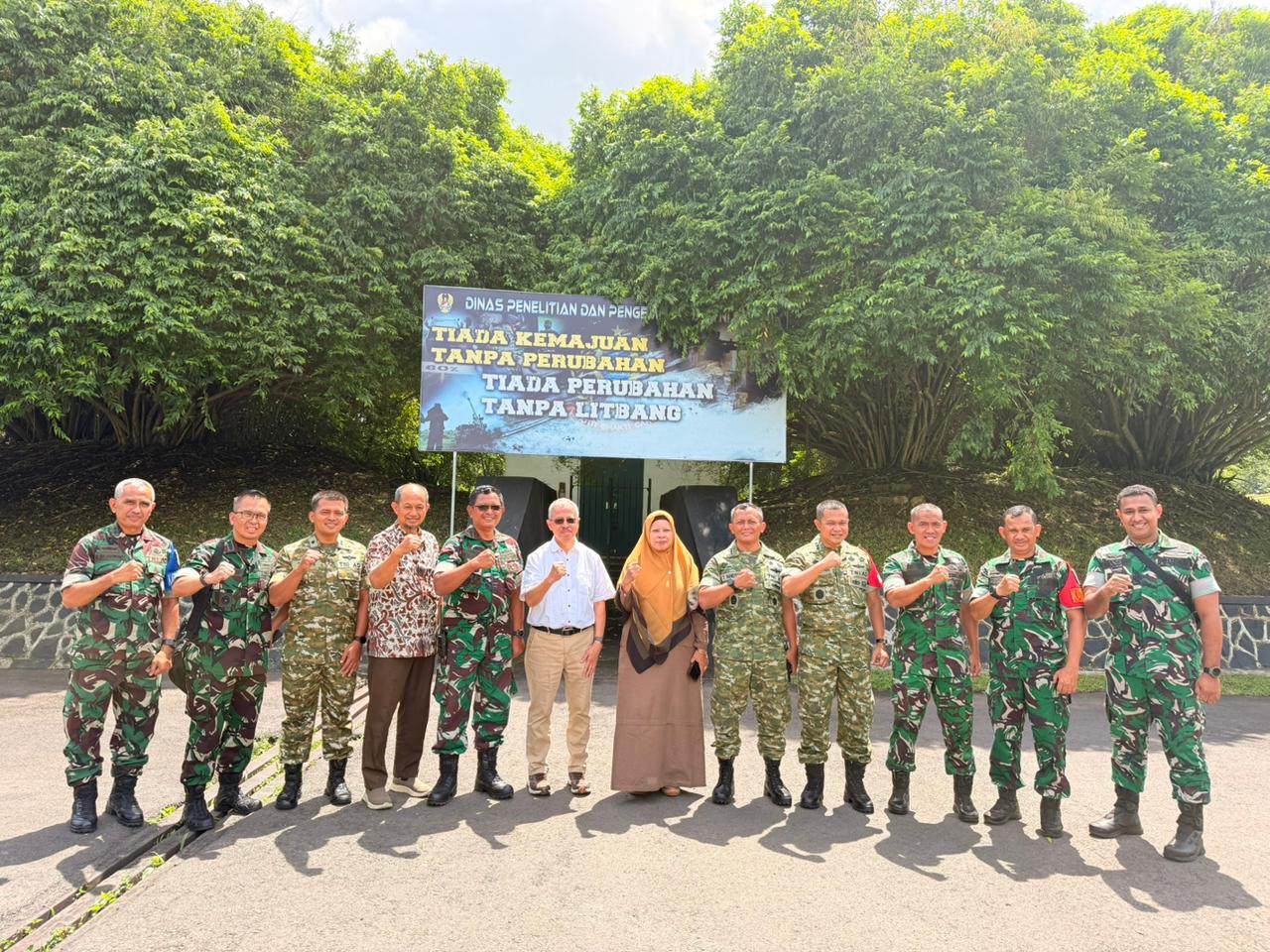
The research was conducted by a multidisciplinary team led by Dr. Siti Nikmatin, M.Si., including Dr. Ir. Irmansyah, M.Si., Rima Fitria Adiati, M.T., Dr. Agus Kartono, M.Si., and Tursina Andita Putri, S.E., M.Si., in collaboration with PT Interstisi Material Maju. The certification was observed by Prof. Dr. Anas Miftah Fauzi (Head of LRI-TM IPB) and Prof. Dr. Budi Mulyanto (Head of the IPB Palm Oil Studies Center), alongside TNI AD representatives Colonel Kries Kambaksono, Colonel Yayat Priatna P, Colonel Hiras M.S. Turnip, and Colonel Tri Handoko.
The evaluation protocols followed standardized military ballistic testing. The EFB-based panels were subjected to 9×19 mm caliber projectiles at a range of 5 meters. Testing included both dry and wet environmental simulations to assess the material’s structural integrity under moisture exposure. Furthermore, the panels underwent mechanical stress tests for resistance against metal-based stabbing and slashing implements. The material satisfied the certification requirements, demonstrating zero penetration with a backface deformation (BFD) measurement consistently below the 44 mm threshold.
Technical specifications of the certified vest include a total mass of less than 2 kg and a thickness profile of under 2 cm, adhering to Level IIIA protection standards. The dimensions are optimized at a width of under 22 cm and a height of under 27 cm. Financed by the Ministry of Higher Education, Science, and Technology’s Matching Fund (Kedaireka) for 2024 and 2025, the project aims to establish a technical pathway for utilizing EFB fibers in tactical applications.
Regarding industrial scalability, Dr. Siti Nikmatin noted that while the primary raw material is abundant, current processing methods remain labor-intensive. Transitioning to industrial-scale manufacturing will require the integration of automated machinery and significant capital investment to ensure consistent quality control and production efficiency.